Health and Safety Policy for Landscaping Millbank
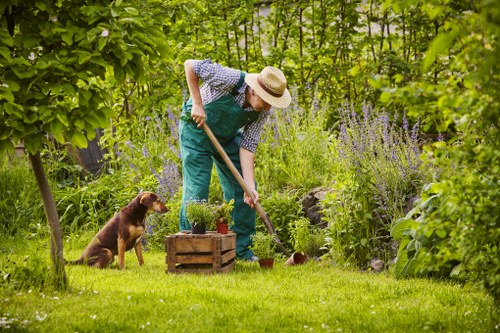 This health and safety policy sets out the standards expected across all landscaping Millbank activities. It applies to planning, site preparation, planting, turf care, hard landscaping, and routine maintenance. The aim is to protect employees, contractors, clients, visitors, and members of the public from avoidable harm while ensuring work is carried out efficiently and responsibly.
We recognise that landscaping work involves a range of hazards, including manual handling, powered tools, moving vehicles, uneven ground, weather exposure, slips, trips, and contact with chemicals or sharp materials. For that reason, every task must be assessed before it begins. A safe system of work is required on all jobs, and no one should start work unless they understand the controls in place.
Our Safety Principles
Our approach to landscaping health and safety is built on prevention, communication, and accountability. Risk reduction is always preferred over reacting to incidents after they happen. Supervisors must ensure that workers are fit for the task, trained for the equipment used, and aware of the specific conditions of the site. Where risks cannot be fully removed, they must be managed through suitable controls, supervision, and protective equipment.
All operatives are expected to take reasonable care of their own safety and that of others. This includes using tools correctly, reporting defects immediately, following instructions, and stopping work if a situation becomes unsafe. Personal protective equipment must be worn whenever required, and it must be kept in good condition. PPE may include gloves, eye protection, safety footwear, hearing protection, hi-vis clothing, and weather-appropriate apparel.
Training is essential to maintaining a safe working environment. Anyone using machinery, lifting equipment, chemicals, ladders, or specialist landscaping tools must be competent and authorised to do so. New workers must receive induction information before beginning tasks, and refresher training should be provided when methods, equipment, or risks change. The policy also supports ongoing supervision so that safe habits remain consistent across all landscaping operations.
 Before each job starts, a site-specific risk assessment should be completed or reviewed. This assessment should consider access routes, underground services, overhead hazards, nearby road users, weather conditions, ground stability, plant movement, storage of materials, and interaction with the public. Controls must then be put in place to reduce the likelihood of injury, including barriers, signage, task sequencing, and designated work zones.
The safe use of machinery and equipment is a major part of this landscaping safety policy. Tools and machines must be inspected before use, maintained according to schedule, and taken out of service if faults are identified. Guards and safety devices must never be removed or bypassed. Fuel, batteries, and electrical items must be handled carefully, with charging and storage arranged to reduce fire, shock, or spill risks.
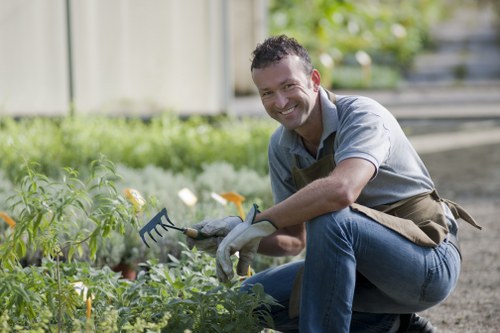 Manual handling is another important concern. Workers should avoid unnecessary lifting, pushing, pulling, or carrying of heavy items. Where possible, loads should be broken down, lifted with assistance, or moved using appropriate aids. Good posture, clear routes, and team lifts are encouraged. Repetitive tasks should also be managed to reduce fatigue and strain, especially during longer maintenance periods.
Chemicals such as fertilisers, weed treatments, fuels, and cleaning products must be stored, used, and disposed of safely. Labels and instructions should always be followed. Where substances present a risk, suitable controls must be used to prevent skin contact, inhalation, or contamination of soil and water. Spills should be contained quickly, and any exposure or incident must be reported without delay.
Welfare, Environment, and Incident Response
Workplace welfare is a key part of safe landscaping operations. Adequate breaks, access to drinking water, and suitable facilities should be available wherever practical. Weather conditions must be monitored, and work should be adjusted during periods of excessive heat, cold, rain, or strong wind. Fatigue management is important because tired workers are more likely to make mistakes or miss hazards.
Environmental care is also included in this policy. Waste should be separated and removed responsibly, debris must not obstruct walkways, and materials should be stored securely to prevent collapse or movement. Trees, shrubs, and soil should be managed in a way that avoids unnecessary disturbance to surrounding areas. This helps maintain a cleaner, safer site and supports professional landscaping operations.
Any accident, near miss, unsafe condition, or equipment failure must be reported promptly so it can be investigated and corrected. First aid arrangements should be available at all times, and emergency procedures must be understood by everyone on site. Serious risks may require work to stop until the problem is resolved. Reporting is not about blame; it is about preventing recurrence and improving safety standards.
Responsibilities and Review
Management is responsible for providing the resources, training, equipment, and supervision needed to support this policy. Employees and contractors must cooperate fully with safety requirements, attend briefings, and follow established controls. A positive safety culture depends on shared commitment, clear communication, and consistent enforcement of standards across all landscaping tasks.
Regular review ensures the policy remains effective and up to date. It should be revisited whenever there are changes in work methods, equipment, staffing, or risk profile, and it should also be checked after incidents or significant near misses. By reviewing practice and learning from experience, the organisation can continue improving the safety of its landscaping Millbank services while protecting everyone involved.
 This policy reflects a practical commitment to safe working, careful planning, and responsible supervision. It supports day-to-day decisions that reduce harm and build confidence in every stage of landscaping work.
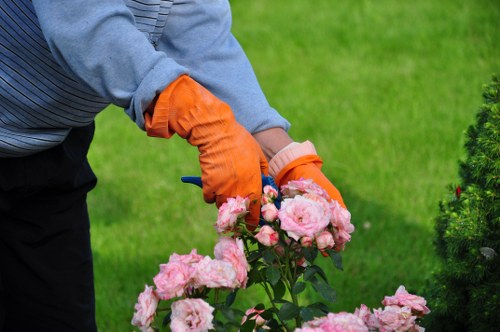 By following these standards, landscaping teams can deliver reliable results while maintaining a safe, organised, and respectful working environment. Safety is not treated as an extra task; it is part of every action, every site, and every job.